Endometriosis or Just Cramps? How to Tell the Difference
It’s Time to Stop Normalising Unbearable Period Pain A bit of discomfort during your period is exp

You’ve Tried Everything — Now Your Gynae Recommends Surgery. What’s Next?
For many women, endometriosis is a long, painful journey that starts with being told, “It’s just your period.” And by the time surgery is recommended, it can feel overwhelming. But here’s the truth:
When done right, laparoscopic endometriosis surgery can relieve chronic pain, improve fertility, and dramatically improve quality of life. If you’re exploring endometriosis treatment in Singapore, this guide is for you — breaking down what to expect before, during, and after gynae surgery so you can walk in feeling informed, supported, and empowered.
Endometriosis doesn’t just cause pain — it can damage pelvic organs, interfere with fertility, and reduce your overall wellbeing. While medications can help manage symptoms, they often don’t address the root problem: endometrial-like tissue growing outside the uterus. That’s where surgery comes in.
Types of Endometriosis Surgery:
Proper preparation sets the tone for a smooth surgical experience and recovery. Your gynaecologist will guide you through a comprehensive pre-operative process.
Medical Evaluations and Imaging
Your doctor may order:
These help map out a surgical plan and assess whether laparoscopy is suitable.
Pre-Op Instructions: What You Need to Know
Before your surgery, you’ll receive clear instructions. These typically include:
Getting enough rest and mentally preparing for surgery can also make a significant difference.
Understanding what to expect during gynae surgery helps alleviate fear and empowers you to take an active role in your treatment journey.
Procedure Overview: Laparoscopic Endometriosis Surgery
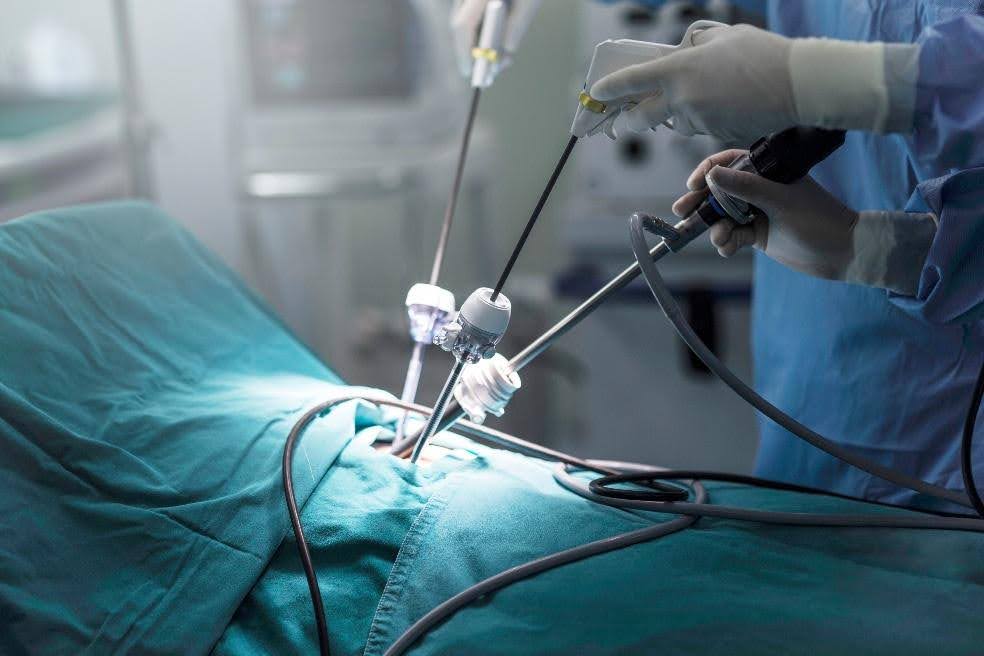
Laparoscopy is a minimally invasive surgery performed under general anaesthesia. The surgeon makes small incisions in the abdomen and inserts a laparoscope — a thin tube with a light and camera — to view the pelvic organs in detail.
Using specialised instruments, the surgeon carefully removes:
The entire procedure typically lasts 1 to 2 hours.
Anaesthesia and Safety
You will be under general anaesthesia, meaning you will be asleep and pain-free throughout. The surgical team will monitor vital signs closely to ensure your safety at every stage.
Post-surgery recovery varies depending on the extent of the procedure, your individual healing response, and overall health. Here’s what you can expect:
Listen to your body and follow your surgeon’s advice to avoid complications.
No surgery is risk-free, but understanding potential outcomes helps you weigh the benefits.

Most side effects are mild and temporary:
Rare but serious risks include:
Our experienced team at AOGC follows strict protocols to minimise these risks.
If you’re considering endometriosis treatment in Singapore, surgery might feel daunting. But when performed by experienced specialists, it can be a crucial step toward pain relief, improved fertility, and reclaiming your everyday life.
At AOGC, we combine clinical excellence with genuine compassion. Our approach to laparoscopic endometriosis surgery is rooted in evidence-based care, personalised treatment planning, and clear communication every step of the way.
You are not alone — and you deserve answers, relief, and a treatment plan that truly works.
Book a confidential consultation with AOGC’s specialists to discuss your symptoms, explore surgical options, and take control of your health with confidence.
Contact AOGC, a leading Gynaecology Clinic in Singapore, today to schedule your appointment and begin your recovery journey.

Dr. Harvard Lin is renowned for his expertise in female pelvic medicine and reconstructive surgery.
Dr. Lin’s journey in medicine began at the prestigious National University of Singapore, where he earned his Bachelor of Medicine and Bachelor of Surgery (MBBS). His commitment to excellence led him to further his education by becoming a Member of the Royal College of Obstetricians and Gynaecologists (MRCOG) through the Royal College of Obstetricians and Gynaecologists in the United Kingdom. He also holds a Master of Medicine (Obstetrics and Gynaecology) from the National University of Singapore.
As the Chief Coordinator of Gynaecologic Services at the National University Health System (NUHS), Dr. Lin plays a pivotal role in ensuring the highest quality care for women’s health. His leadership is also evident in his position as the Deputy Clinical Director of Obstetrics and Gynaecology at NUHS, where he contributes to shaping gynaecologic practices and growth across the cluster including Ng Teng Fong Hospital, Alexandra Hospital and Jurong Medical Centre.
Got a Question? Fill up the form and we will get back to you shortly.
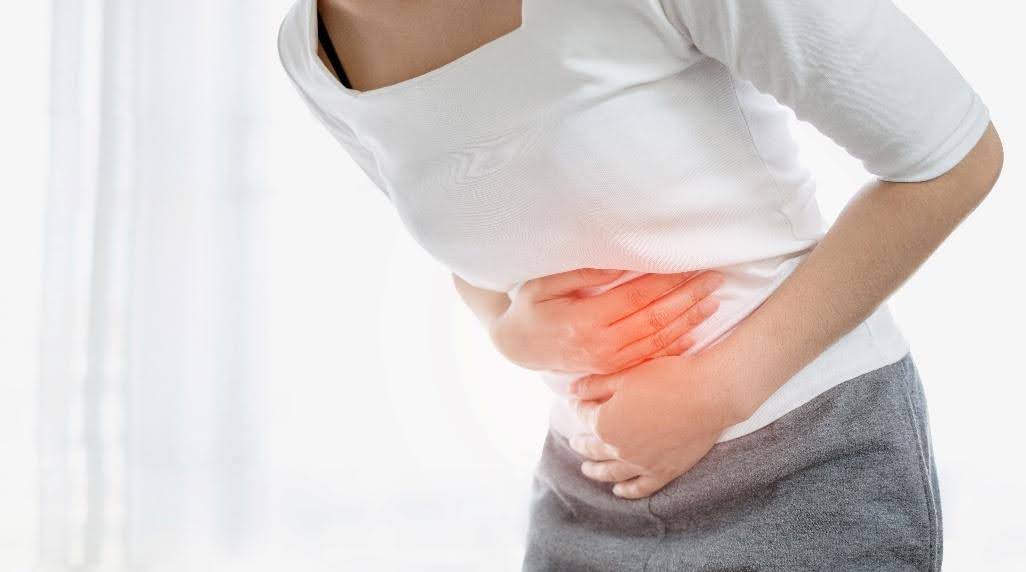
It’s Time to Stop Normalising Unbearable Period Pain A bit of discomfort during your period is exp
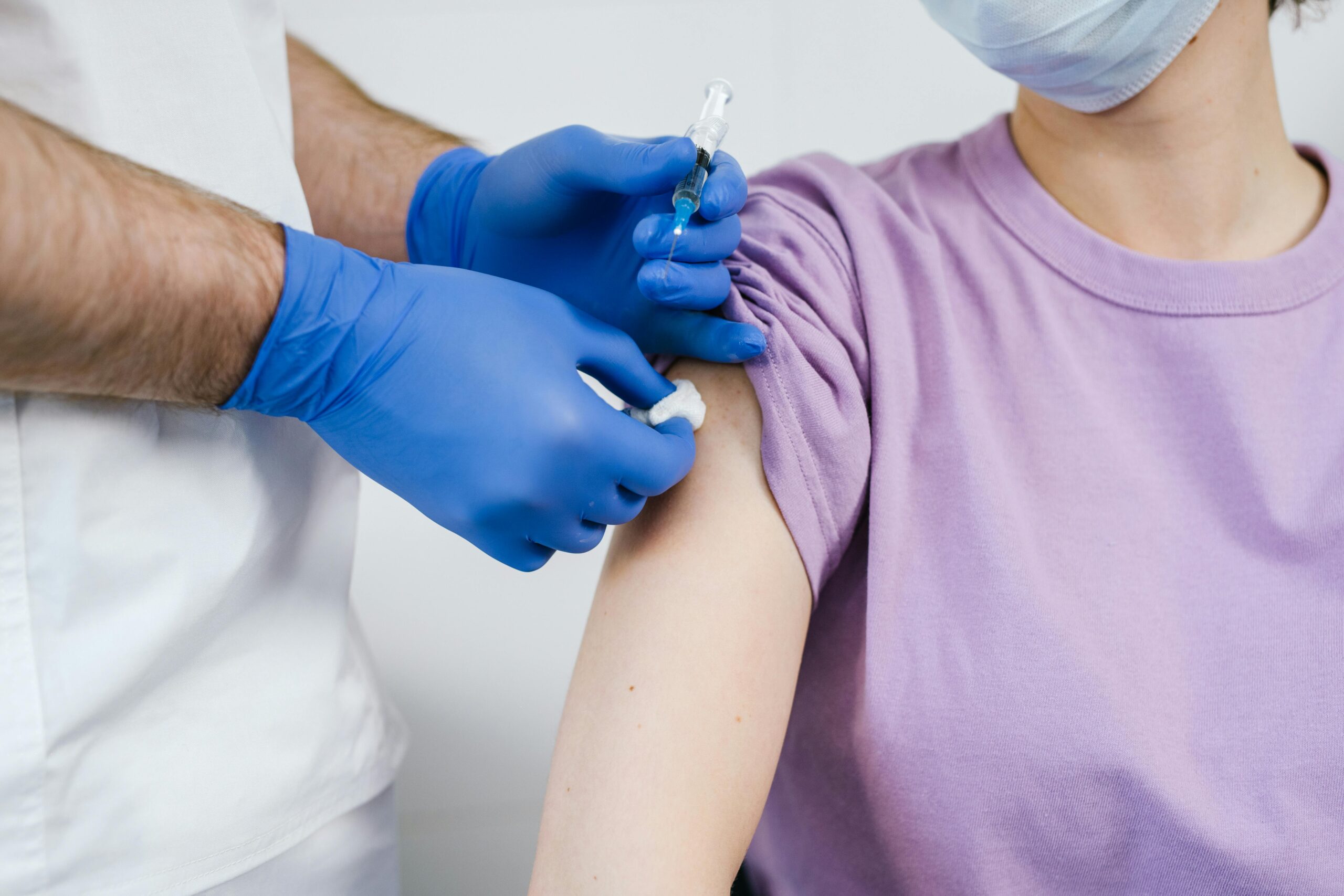
Understand how HPV vaccination and Pap smear screening can support cervical health and early detecti
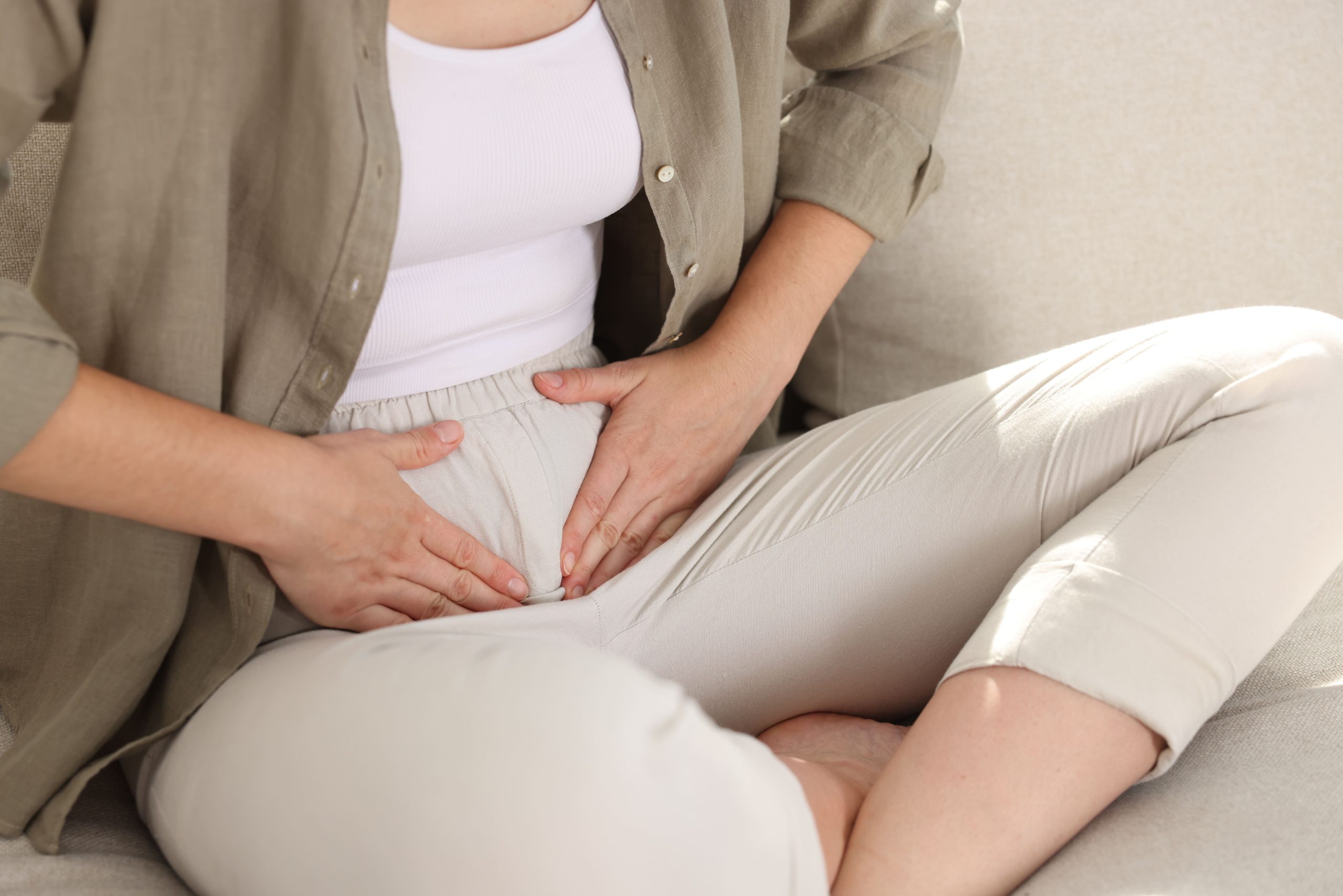
A persistent sensation of pelvic heaviness, pressure, or a dragging feeling is one of the most commo

Your lifestyle may be impacting your fertility more than you think. Diet, sleep, and stress play a c

Irregular periods—whether too frequent, too sparse, or unpredictable—can be frustrating and may
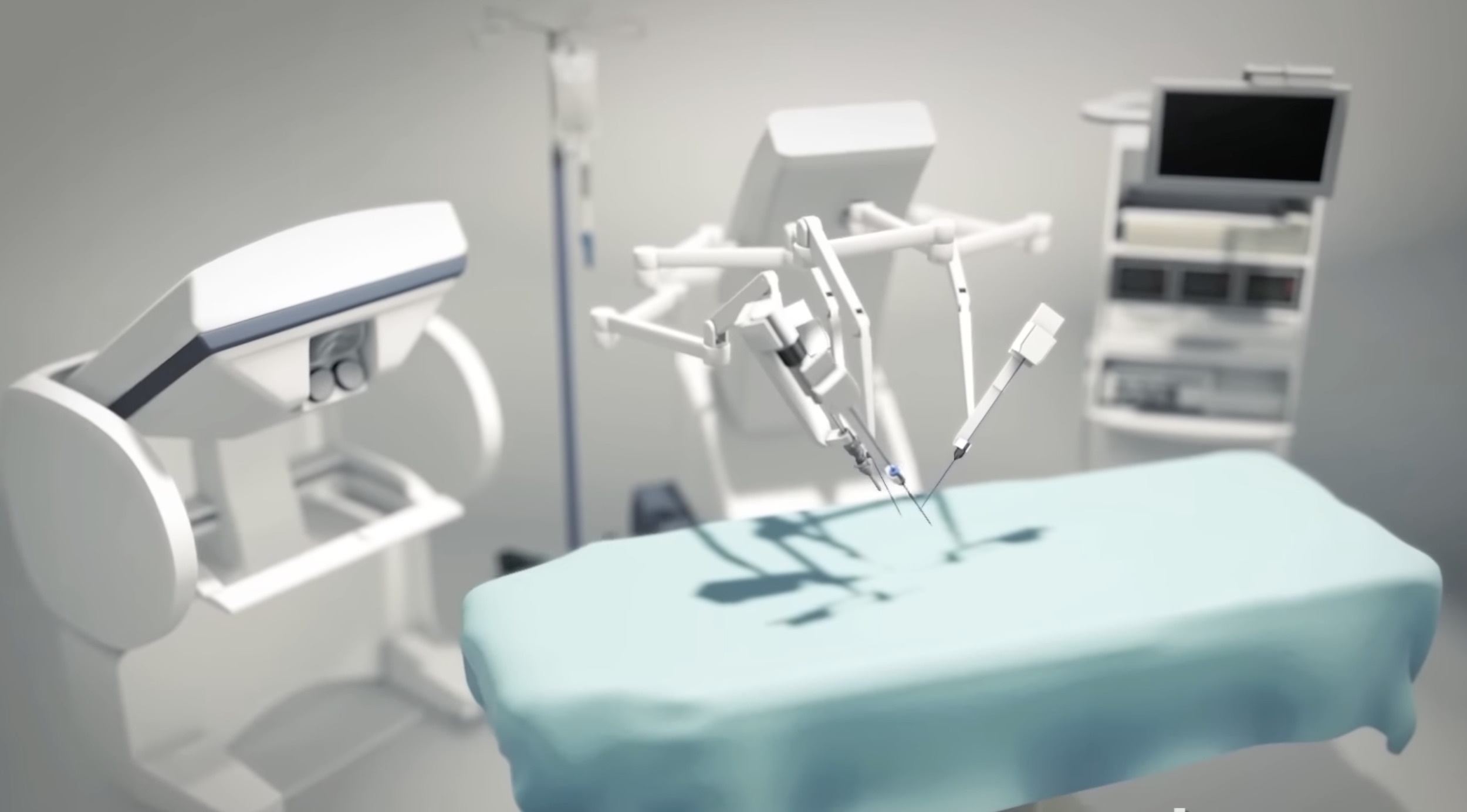
Discover how robotic-assisted gynaecological surgery may help treat fibroids, endometriosis, and cer

Preparing for pregnancy goes beyond timing—it starts with understanding your fertility health. In

Bladder leaks: a topic many women shy away from discussing, yet one that affects millions across the

Learn about common signs of perimenopause and menopause, including hormonal changes and bone health
Compare NIPT and OSCAR prenatal screening in Singapore. Understand how each test works, when they ar