Fraud Blocker

Myomectomy Treatment

For women diagnosed with uterine fibroids who wish to preserve their uterus, myomectomy offers a surgical option. This procedure removes fibroids while maintaining the integrity of the uterus, making it particularly relevant for women who desire future pregnancy or prefer uterine preservation for personal reasons. Myomectomy may help improve quality of life by addressing symptoms such as heavy menstrual bleeding, pelvic pressure, and reproductive concerns. Our Gynaecologist provides comprehensive care throughout your myomectomy journey, from the initial consultation through recovery.

doctor img
Dr. Harvard Lin

MBBS (SG)|MRCOG (UK)|MMed (OBGYN) (SG)

Frame 2147223165 (10) Frame 2147223152 (8)

What is Myomectomy?

Myomectomy, also called fibroidectomy, is a surgical procedure that removes uterine fibroids (also known as leiomyomas or myomas) while preserving the uterus. These benign muscular tumours develop within the uterine wall and can vary in size, number, and location. Unlike a hysterectomy, which removes the entire uterus, a myomectomy specifically targets the fibroids themselves, carefully excising them while reconstructing the uterine wall.

The procedure addresses various fibroid-related symptoms, including heavy or prolonged menstrual bleeding, pelvic pain and pressure, frequent urination, and fertility issues. Myomectomy can be performed through different surgical approaches depending on the size, number, and location of fibroids. The choice of technique influences the recovery process and outcomes.

Myomectomy aims to help women manage their health while preserving their reproductive options. Individual results and timelines may vary.

Ideal Candidates

  • Women with symptomatic fibroids causing quality-of-life issues
  • Patients who wish to preserve their uterus for future pregnancy
  • Women experiencing fibroid-related fertility problems or recurrent pregnancy loss
  • Individuals with rapidly growing fibroids requiring intervention
  • Patients with fibroids causing bulk symptoms like urinary frequency or constipation
  • Women who prefer uterine preservation for personal or cultural reasons
  • Patients who have not responded to medical management
  • Women with anaemia due to heavy menstrual bleeding from fibroids

Contraindications

  • Suspicion of uterine malignancy requiring complete removal
  • Extensive fibroid burden making reconstruction difficult
  • Severe medical conditions that increase surgical risks
  • Active pelvic infection requiring treatment before surgery
  • Pregnancy (procedure must be delayed until after delivery)
  • Blood-clotting disorders that cannot be managed

The decision to undergo myomectomy requires careful evaluation by a gynaecologist. Factors such as fibroid characteristics, your overall health, reproductive plans, and personal preferences all play roles in determining suitability. A thorough assessment, including imaging studies, helps develop an appropriate treatment plan for your specific situation.

Treatment Techniques & Approaches

Abdominal Myomectomy (Open Surgery)

Abdominal myomectomy involves making an incision in the lower abdomen to access the uterus directly. This approach provides visualisation and access to remove multiple or large fibroids. The surgeon can examine the uterus and remove accessible fibroids while reconstructing the uterine wall. This technique may be suitable for complex cases with numerous fibroids or for deeply embedded fibroids in the uterine wall.

Laparoscopic Myomectomy

Laparoscopic myomectomy utilises small incisions and specialised instruments to remove fibroids. A camera (laparoscope) guides the surgery, allowing removal with minimal tissue trauma. This minimally invasive approach typically results in less postoperative pain, shorter hospital stays, and faster recovery compared to open surgery. It requires specific expertise and may not be suitable for very large or numerous fibroids.

Hysteroscopic Myomectomy

Hysteroscopic myomectomy removes fibroids that protrude into the uterine cavity (submucosal fibroids). The procedure involves inserting a hysteroscope through the vagina and cervix, requiring no abdominal incisions. Specialised instruments remove the fibroids while preserving the uterine wall. This technique offers quicker recovery but is limited to specific fibroid types and locations.

Technology & Equipment Used

Contemporary myomectomy procedures employ various technologies to enhance precision and safety. High-definition imaging systems provide detailed visualisation during minimally invasive procedures. Specialised morcellation devices allow the removal of large fibroids through small incisions. Energy devices help control bleeding while preserving healthy tissue. Some centres utilise robotic-assisted systems for complex laparoscopic cases, offering enhanced dexterity and visualisation.

Wondering which approach might be suitable for you?

Our Gynaecologist can evaluate your specific needs and discuss available techniques.

The Treatment Process

Pre-Treatment Preparation

Before myomectomy, a comprehensive evaluation helps ensure surgical planning. Blood tests assess your overall health and check for anaemia, which may require treatment before surgery. Imaging studies, such as ultrasound or MRI, map fibroid locations and sizes. Some patients receive hormonal therapy for several months to shrink fibroids or improve anaemia.

You’ll receive specific instructions on fasting before surgery and on adjusting your current medications. Arrangements for post-surgery home assistance should be made. Pre-operative counselling addresses the procedure details, expected outcomes, and potential risks.

During the Procedure

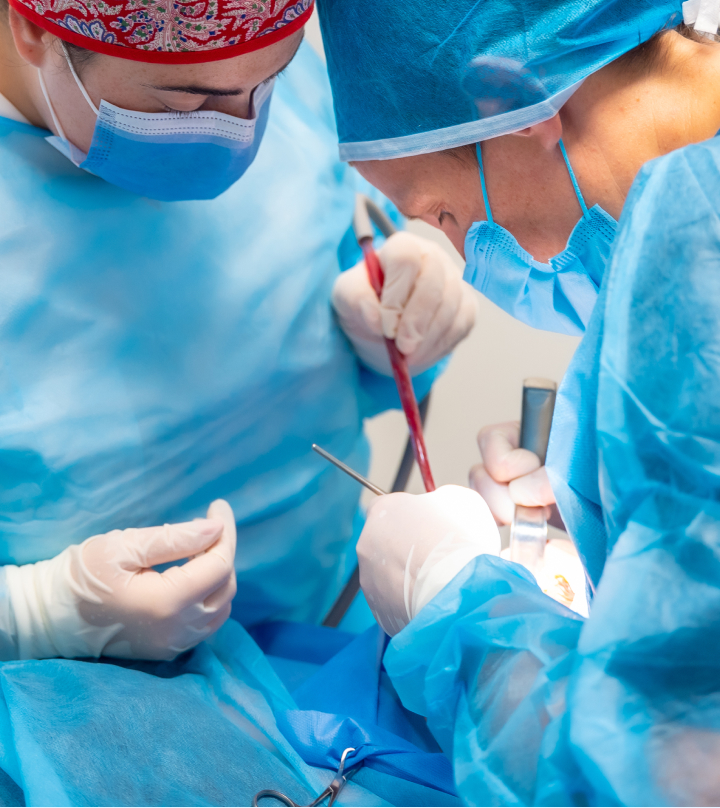
On surgery day, you’ll receive anaesthesia appropriate for your surgical approach. General anaesthesia is used for abdominal and laparoscopic procedures, while hysteroscopic myomectomy may use regional or general anaesthesia. The surgical team may monitor your vital signs throughout the procedure.

The surgeon carefully removes each fibroid while minimising damage to surrounding tissue. Meticulous technique aims to ensure proper reconstruction of the uterine wall, which is important for future pregnancy safety. The procedure duration varies from approximately 30 minutes for simple hysteroscopic cases to several hours for complex abdominal myomectomies with multiple fibroids.

Immediate Post-Treatment

Following surgery, you’ll recover in a monitored setting as anaesthesia wears off. Pain management begins immediately with appropriate medications. The recovery team monitors for any immediate complications while ensuring your comfort.

Most patients undergoing hysteroscopic myomectomy go home the same day. Laparoscopic cases typically require overnight observation, while open surgery patients usually stay several days. Before discharge, you’ll receive detailed instructions about wound care, activity restrictions, and warning signs requiring immediate medical attention.

Recovery & Aftercare Recovery & Aftercare

Recovery & Aftercare

  • First 24-48 Hours: Initial recovery focuses on pain management and gentle mobilisation. Pain levels vary by surgical approach, with open surgery typically causing more discomfort than minimally invasive techniques. Pain medications help keep you comfortable while avoiding excessive sedation. Light walking begins within hours of surgery to prevent blood clots and promote healing. Your diet may start with clear liquids and gradually progress to regular meals as you feel comfortable. Vaginal bleeding or spotting is normal and monitored. If a catheter is used, it is typically removed within 24 hours.
  • First Week: During the first week, activities can be increased gradually while allowing your body time to heal. Pain typically improves daily, transitioning from prescription medications to over-the-counter options. Wound care involves keeping incisions clean and dry and watching for signs of infection. Follow-up appointments assess healing progress and address any concerns. Most patients resume light daily activities but avoid heavy lifting, strenuous exercise, and sexual intercourse. Adequate rest, proper nutrition, and good hydration support the recovery process.
  • Long-term Recovery: Recovery duration varies depending on the surgical approach. Hysteroscopic myomectomy patients typically resume normal activities within approximately two weeks. Laparoscopic surgery may require several weeks for full recovery, while open surgery may take longer. A gradual return to exercise begins with walking, progressing to more vigorous activities as healing allows. Sexual activity can usually resume after several weeks, following your surgeon’s guidance. Regular follow-up appointments monitor healing and, where relevant, discuss future pregnancy planning. Imaging studies may be performed to assess surgical outcome and detect fibroid recurrence.

Our gynaecologist provides comprehensive post-procedure support to help ensure recovery.

Schedule your consultation to learn more about what to expect.

Benefits of Myomectomy

Myomectomy may be suitable for women with symptomatic fibroids who wish to preserve their uterus. Many patients experience a reduction or resolution of heavy menstrual bleeding, often resolving associated anaemia. Pelvic pressure and pain may improve, potentially enhancing daily comfort and activity levels.

For women desiring pregnancy, myomectomy may help improve fertility by removing fibroids that distort the uterine cavity or interfere with implantation. The procedure preserves future pregnancy options while addressing current symptoms. Many women notice improvement in urinary and/or bowel function after the removal of large fibroids.

Quality-of-life improvements may extend beyond physical symptoms. Women often experience enhanced emotional well-being, improved intimate relationships, and greater confidence in their health. The ability to preserve the uterus provides psychological benefits for many patients who view it as crucial to their feminine identity.

Risks & Potential Complications

Common Side Effects

Temporary side effects are generally manageable and resolve with proper care. Post-operative pain varies by surgical approach but responds well to prescribed medications. Vaginal bleeding or spotting may continue for several weeks, gradually decreasing. Fatigue is normal during recovery as your body heals.

Temporary bloating and constipation can occur, particularly after abdominal surgery. These issues typically resolve with gentle activity, adequate hydration, and dietary adjustments. Minor wound-healing concerns, such as bruising or swelling around incisions, are common and improve over time.

Potential Complications

While uncommon, potential complications require awareness and prompt management if they occur. Excessive bleeding during or after surgery occasionally involves a blood transfusion. Infection at surgical sites or within the pelvis can develop but responds to antibiotic treatment when identified early.

Scar tissue (adhesions) may form internally, potentially causing pain or fertility issues. Injury to surrounding organs is possible, particularly with complex cases. Fibroid recurrence can occur, with new fibroids developing in some patients over time. Future pregnancy after myomectomy requires careful monitoring due to potential uterine scar considerations.

Our Gynaecologist uses widely accepted techniques and modern technology to help minimise risks. Pre-operative assessment and post-operative follow-up support safe management of the procedure.

Cost Considerations

Myomectomy costs vary based on several factors, including the surgical approach, complexity of your case, and length of hospital stay. Open surgery may involve a higher fee due to more extended hospitalisation, while hysteroscopic procedures are generally less expensive. The number and size of fibroids influence procedure duration and complexity, affecting overall fees.

The total cost includes surgeon fees, anaesthesia services, hospital charges, and post-operative care. Pre-operative investigations and any required hormonal therapy are additional considerations. During consultation, patients typically receive a detailed cost estimate tailored to their specific treatment plan.

Frequently Asked Questions (FAQ)

How long does myomectomy surgery typically take?

Surgical duration varies based on the approach and complexity. Hysteroscopic myomectomy usually takes approximately 30-60 minutes for straightforward cases. Laparoscopic procedures typically take 1-3 hours, depending on the number and size of the fibroids. Open abdominal myomectomy may take 1-4 hours for complex cases with multiple fibroids. Our Gynaecologist can provide a more accurate estimate during your consultation based on your specific situation.

Can fibroids grow back after myomectomy?

New fibroids can develop after myomectomy since the procedure removes existing fibroids but doesn’t prevent future formation. Some women develop new fibroids over time, though not all require treatment. Regular monitoring helps detect any new growths early. Some women benefit from hormonal therapy to help reduce recurrence risk.

When can I try to conceive after myomectomy?

Pregnancy timing after myomectomy depends on the surgical approach and extent of uterine reconstruction. Following hysteroscopic myomectomy, conception attempts may be considered after 1-2 months. Laparoscopic or open myomectomy typically requires several months of healing time before pregnancy attempts, especially if the uterine cavity was entered. Our Gynaecologist may provide specific guidance tailored to your surgery. Future pregnancies require careful monitoring, and caesarean delivery may be recommended depending on the surgical details.

Will myomectomy affect my menstrual periods?

Many women experience improvement in their menstrual patterns after myomectomy. Heavy bleeding may reduce to normal levels within 2-3 months post-surgery. Period pain often decreases as fibroids no longer cause uterine distortion. Initial cycles may be irregular as your body adjusts, but regular patterns usually establish within 3-6 months. Some women experience lighter periods long-term, particularly if large or multiple fibroids were removed.

Is myomectomy better than UAE (Uterine Artery Embolisation)?

Both procedures can treat fibroids, but suitability depends on individual factors. Myomectomy surgically removes fibroids, providing definitive treatment and tissue diagnosis. It may be preferred for women desiring pregnancy, as it aims to preserve fertility. UAE blocks blood supply to fibroids, causing them to shrink without surgery. Recovery may be faster with UAE, but symptom improvement may be gradual. Our Gynaecologist can discuss which option might suit your specific needs, fertility plans, and fibroid characteristics.

What activities should I avoid during recovery?

Activity restrictions vary by surgical approach but generally include avoiding heavy lifting for several weeks. Strenuous exercise, including running and intensive gym workouts, should wait until cleared by your surgeon. Swimming and bath soaking are restricted until incisions have completely healed, typically 2-3 weeks. Sexual intercourse should be avoided for several weeks. Driving can resume when you can brake safely without pain, usually 1-2 weeks for minimally invasive surgery and longer for open surgery.

*Recovery timelines vary by individual.*

How do I know if I need myomectomy versus medication treatment?

Treatment choice depends on symptom severity, fibroid characteristics, and your personal goals. Medication may help with mild symptoms or small fibroids, offering temporary relief. Medications don’t eliminate fibroids, and symptoms often return when treatment stops. Myomectomy may be considered when fibroids cause severe symptoms unresponsive to medication, rapid growth occurs, fertility is affected, or quality of life is impaired. Our Gynaecologist can assess your individual situation and advise on the most appropriate treatment approach.

Conclusion

Myomectomy represents a surgical option for women seeking relief from fibroid symptoms while preserving their uterus. With various surgical approaches available, treatment can be tailored to your specific needs, whether prioritising fertility preservation, symptom resolution, or minimal recovery time. The procedure may help improve the quality of life for appropriate candidates. Our Gynaecologists combine experience with contemporary surgical techniques to provide myomectomy procedures tailored to each patient’s unique situation.

Ready to Take the Next Step?

If you’re considering myomectomy, our Gynaecologist can help you determine whether it’s suitable for your needs. With experience in myomectomy procedures, we provide personalised care throughout your journey.

AOGC Dr. Harvard Lin mobile

Dr Harvard Lin (林振佳医生)

MBBS (SG)|MRCOG (UK)|MMed (OBGYN)(SG)

Dr. Harvard Lin is renowned for his expertise in female pelvic medicine and reconstructive surgery.

Dr. Lin’s journey in medicine began at the prestigious National University of Singapore, where he earned his Bachelor of Medicine and Bachelor of Surgery (MBBS). His commitment to excellence led him to further his education by becoming a Member of the Royal College of Obstetricians and Gynaecologists (MRCOG) through the Royal College of Obstetricians and Gynaecologists in the United Kingdom. He also holds a Master of Medicine (Obstetrics and Gynaecology) from the National University of Singapore.

As the Chief Coordinator of Gynaecologic Services at the National University Health System (NUHS), Dr. Lin plays a pivotal role in ensuring the highest quality care for women’s health. His leadership is also evident in his position as the Deputy Clinical Director of Obstetrics and Gynaecology at NUHS, where he contributes to shaping gynaecologic practices and growth across the cluster including Ng Teng Fong Hospital, Alexandra Hospital and Jurong Medical Centre.

Billing & Insurance

Corporate & Personal Insurance Plans

For Singaporeans, Singapore Permanent Residents and Foreigners.
Please speak to our friendly clinic staff about using your insurance plans.

Make an Enquiry

Got a Question? Fill up the form and we will get back to you shortly.

    Full Name*

    Email Address*

    Phone Number*

    Your Message*

    For Faster Response, call us!

    (65)‎ 6956‎ 6588


    How Can we help you?