Struggling With Irregular Periods? A Gynaecologist Can Help
Irregular periods—whether too frequent, too sparse, or unpredictable—can be frustrating and may

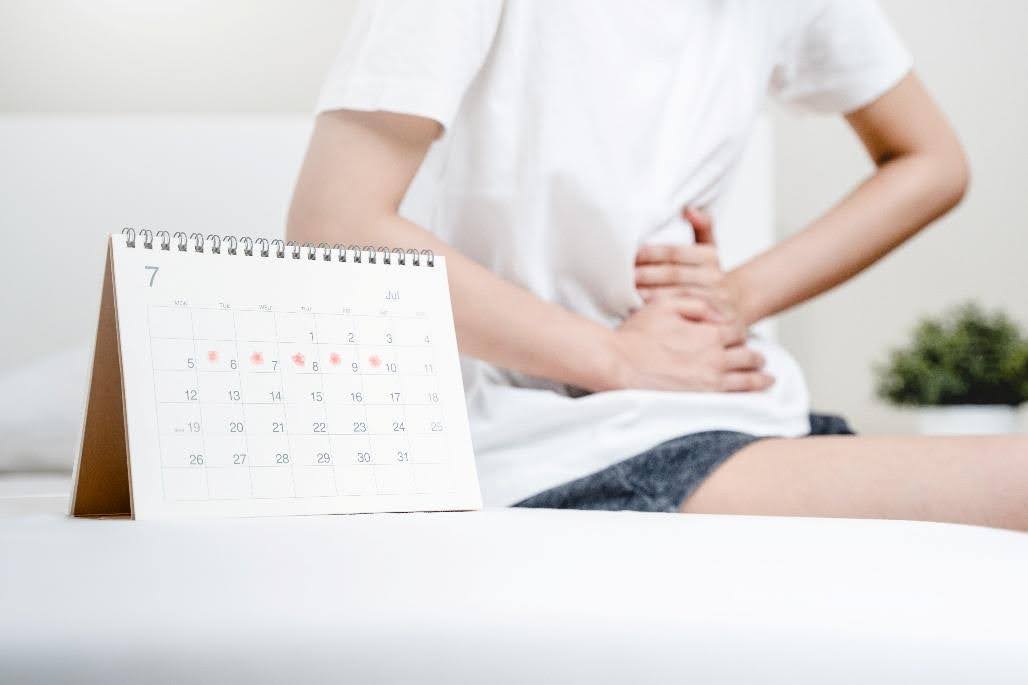
If your periods knock you off your feet.
If sex is painful but no one talks about it.
If you’ve been trying to conceive with no clear answers.
You’re not alone. You may be living with endometriosis, and the truth is — it’s far more common than it is diagnosed. Many women spend years being misdiagnosed or told to “tough it out.” But we’re here to set the record straight: endometriosis is real, painful, and absolutely treatable.
Endometriosis occurs when tissue similar to the uterine lining grows outside the uterus — on the ovaries, fallopian tubes, bowels, and other organs. This tissue behaves like normal endometrium: it thickens, breaks down, and bleeds with each menstrual cycle.
But unlike the uterus lining, it has nowhere to go. So, it causes inflammation, scarring, cysts, and chronic pain.
And despite what you might’ve been told — it’s not just “bad period pain.”
Endometriosis progresses through four stages — minimal, mild, moderate, and severe. Understanding which stage you’re in can help guide the right treatment options and protect your fertility.
At this early stage, small spots of endometrial-like tissue begin to grow. There’s often no visible scarring or cysts. It can be easy to dismiss.
These symptoms often mirror what many think is “normal.” But even early endometriosis can impact fertility and long-term wellbeing.
Lesions become deeper and more widespread. You might start noticing more than just cramps.
Women in this stage often find out during fertility evaluations or when investigating abnormal periods. It’s not uncommon to be told everything looks “fine” — but trust your gut.
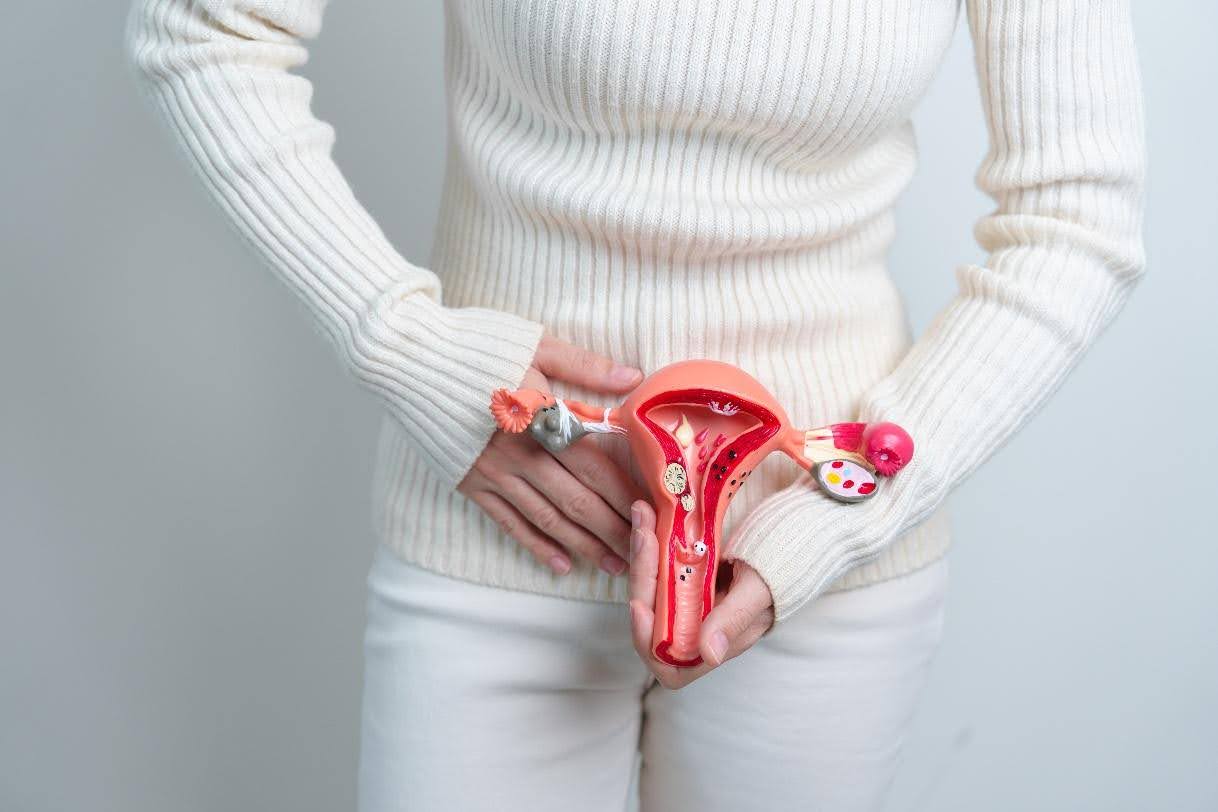
Now we’re talking about visible damage. Endometriomas (chocolate cysts) may form on the ovaries, and scar tissue begins affecting organ movement.
This is often when a woman feels like something is really wrong — and still may be told “it’s just hormonal.”
Stage 4 means extensive damage. Organs may be stuck together by scar tissue. Endometriosis may affect the ovaries, bowels, bladder, and beyond.
Despite how advanced it sounds, you still have options. Surgery, hormone therapy, and lifestyle changes can help manage symptoms and improve fertility.
Here’s what we tell our patients:
It’s also common for endometriosis to mimic:
Early diagnosis doesn’t just reduce pain. It protects your fertility, prevents organ damage, and gives you more options. The only way to know for sure is through a comprehensive assessment, which may include pelvic ultrasound, MRI, or diagnostic laparoscopy — the gold standard for diagnosis.
In many cases, the diagnostic process also uncovers secondary issues that require a specific approach to ovarian cyst treatment in Singapore. If endometriomas are detected, your specialist will weigh the benefits of surgical removal against the potential impact on your ovarian reserve.
Early intervention ensures that these cysts are managed before they can significantly affect your long-term reproductive health or comfort.
If you’re asking, “how to know if I have endometriosis?” — it’s probably time to book an appointment.
You should definitely see a gynaecologist in Singapore if:
Endometriosis is not just in your head. It’s not something you have to just “live with.” And it’s certainly not a punishment for being a woman.
It’s a complex condition — but with the right team, you can take control of it.

Dr. Harvard Lin is renowned for his expertise in female pelvic medicine and reconstructive surgery.
Dr. Lin’s journey in medicine began at the prestigious National University of Singapore, where he earned his Bachelor of Medicine and Bachelor of Surgery (MBBS). His commitment to excellence led him to further his education by becoming a Member of the Royal College of Obstetricians and Gynaecologists (MRCOG) through the Royal College of Obstetricians and Gynaecologists in the United Kingdom. He also holds a Master of Medicine (Obstetrics and Gynaecology) from the National University of Singapore.
As the Chief Coordinator of Gynaecologic Services at the National University Health System (NUHS), Dr. Lin plays a pivotal role in ensuring the highest quality care for women’s health. His leadership is also evident in his position as the Deputy Clinical Director of Obstetrics and Gynaecology at NUHS, where he contributes to shaping gynaecologic practices and growth across the cluster including Ng Teng Fong Hospital, Alexandra Hospital and Jurong Medical Centre.
Got a Question? Fill up the form and we will get back to you shortly.

Irregular periods—whether too frequent, too sparse, or unpredictable—can be frustrating and may

Learn about common signs of perimenopause and menopause, including hormonal changes and bone health
Compare NIPT and OSCAR prenatal screening in Singapore. Understand how each test works, when they ar
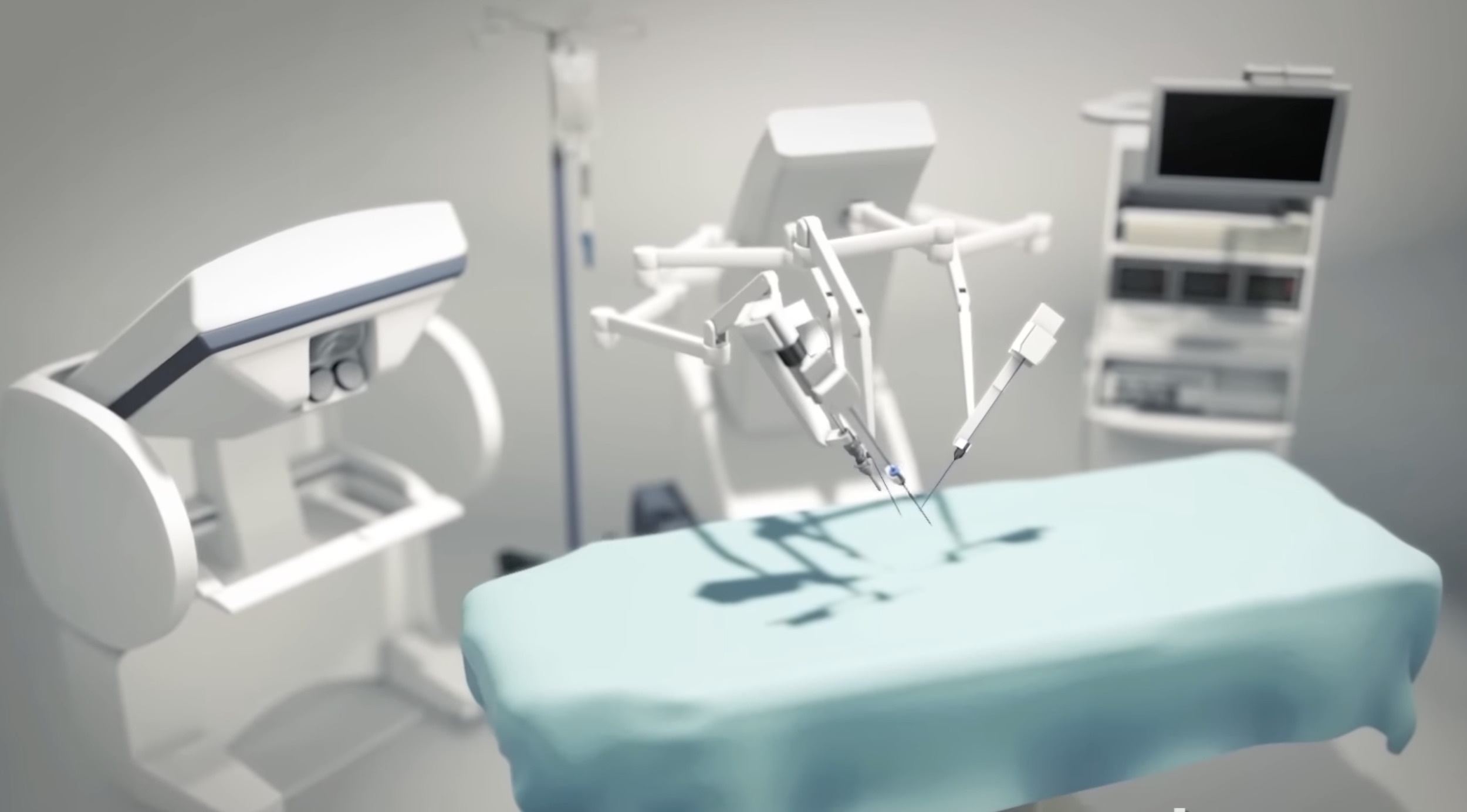
Discover how robotic-assisted gynaecological surgery may help treat fibroids, endometriosis, and cer
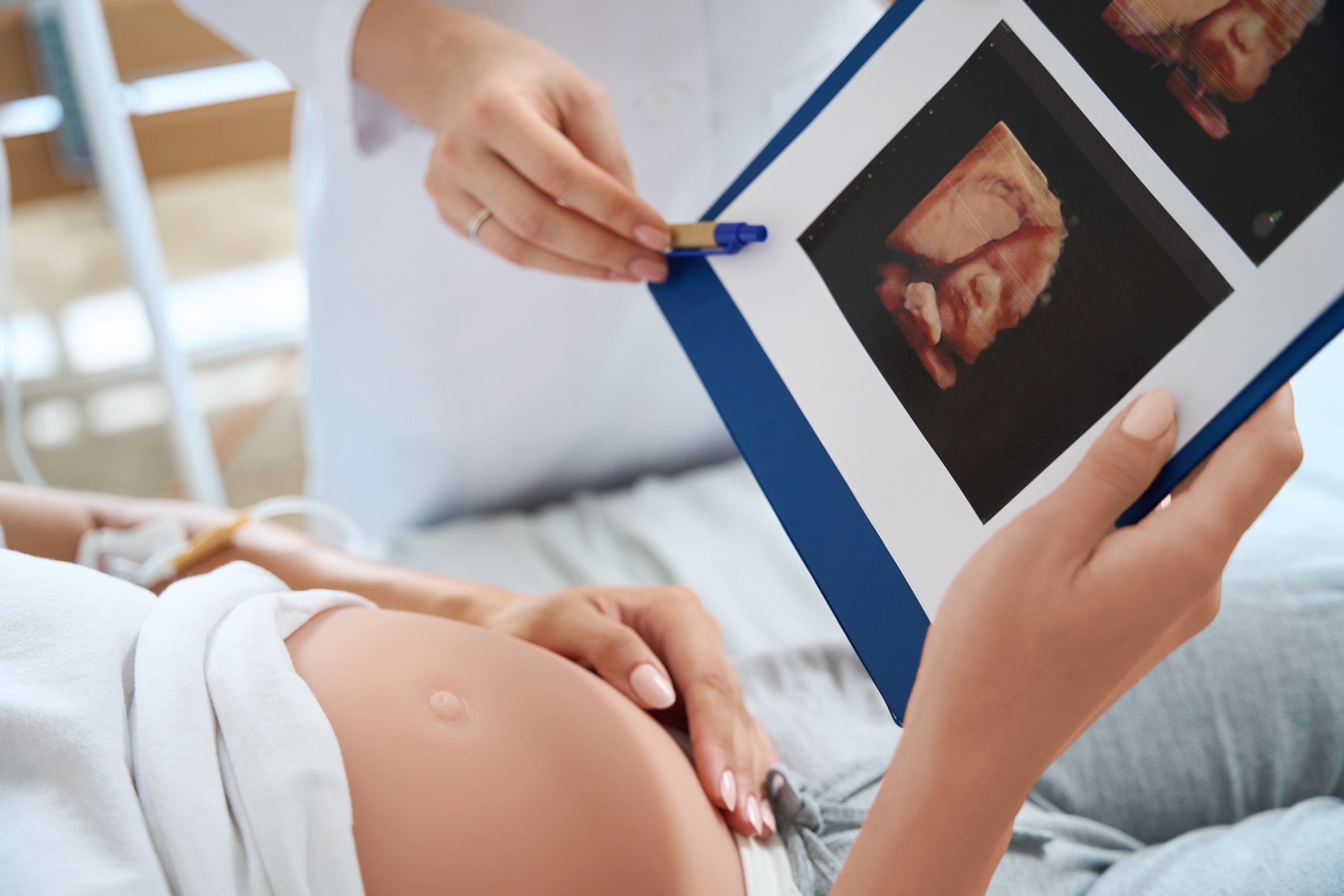
Learn how 3D fetal ultrasound provides detailed views of your developing baby, when it may be recomm
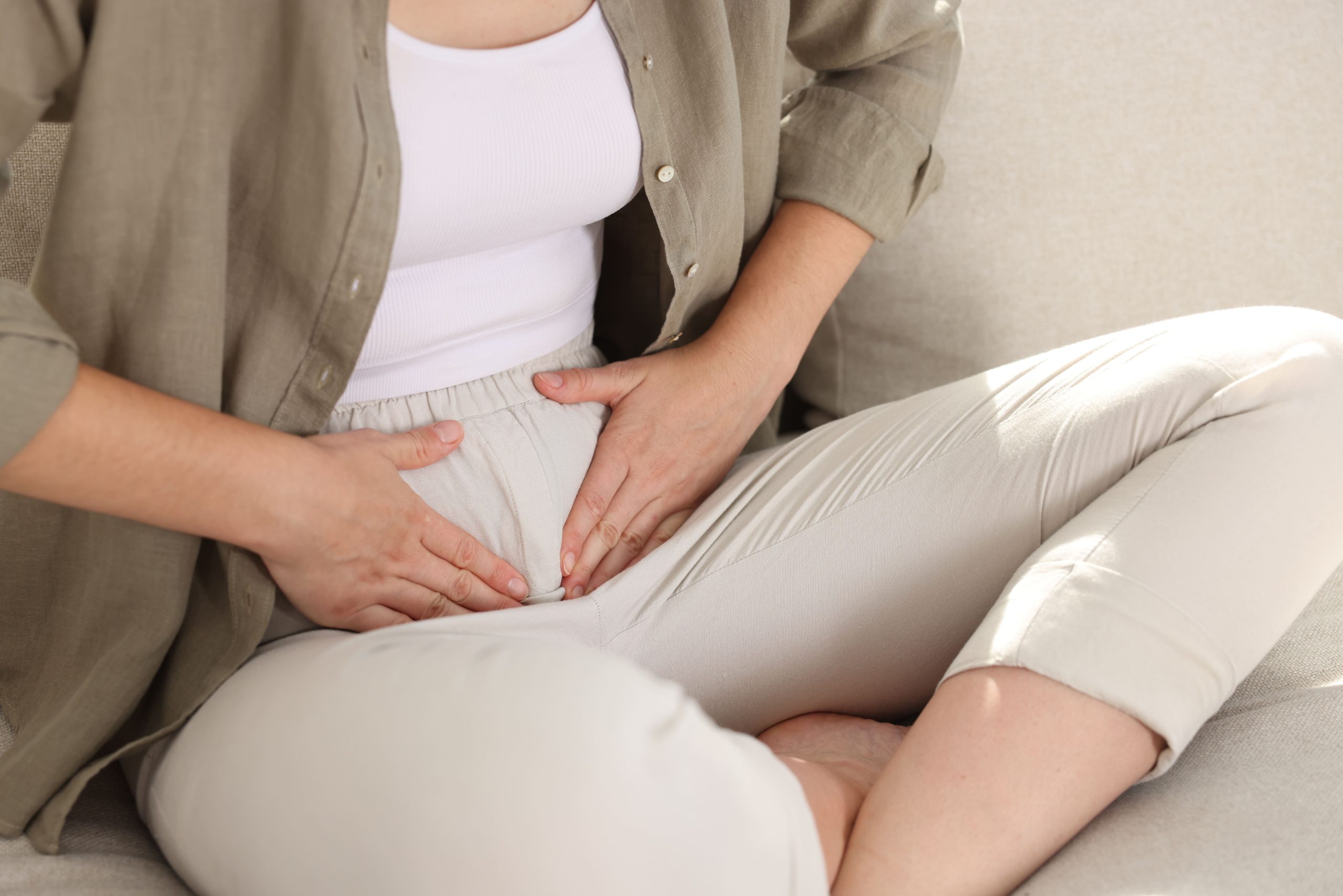
A persistent sensation of pelvic heaviness, pressure, or a dragging feeling is one of the most commo
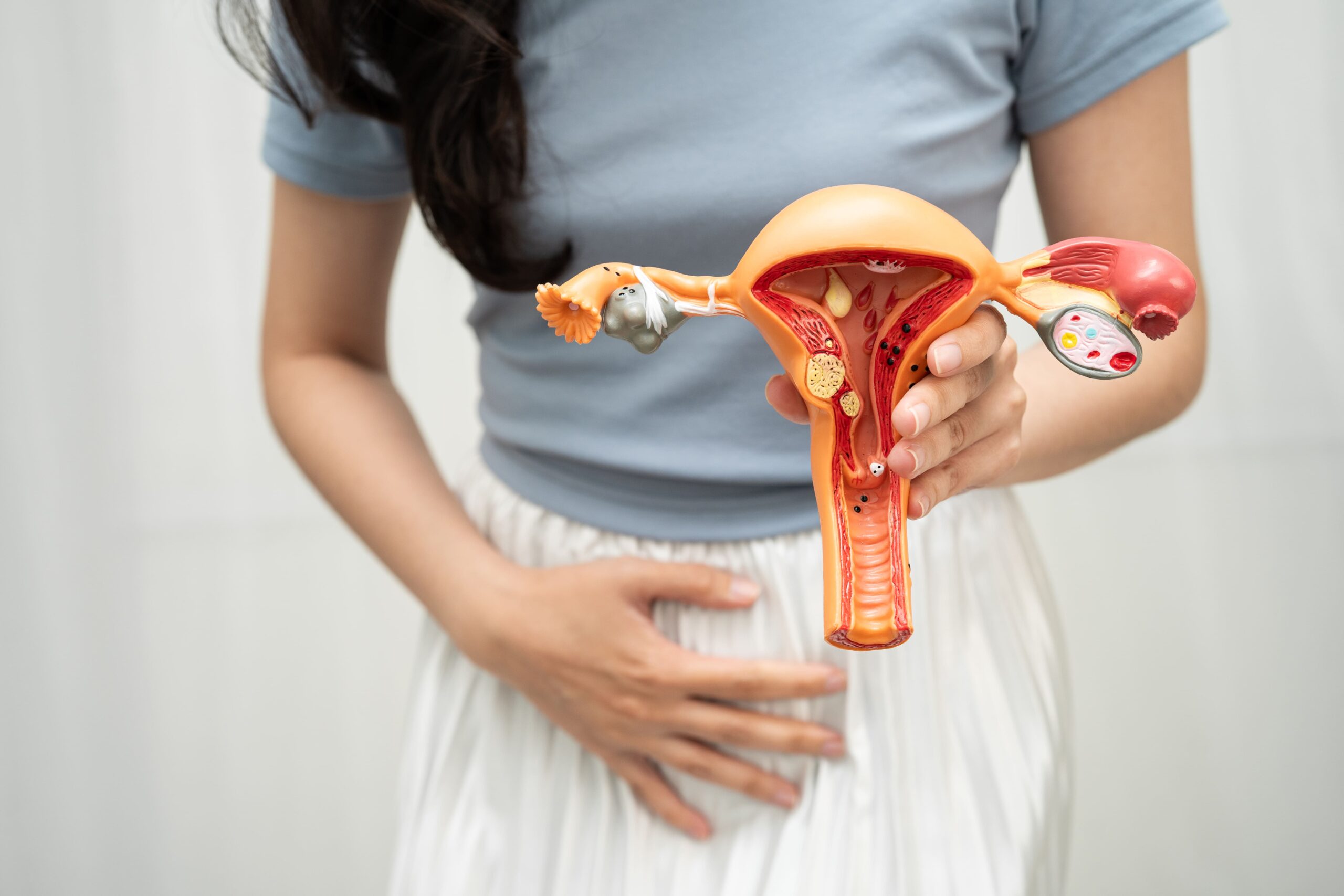
Learn how PCOS may affect menstrual cycles, metabolism, and overall health. Explore common symptoms,

Let’s be honest—talking about your period is still a bit of a taboo, but it doesn’t have to be
Bladder leaks: a topic many women shy away from discussing, yet one that affects millions across the
A wide range of contraceptive methods is available in Singapore, including short-term, long-acting,